Page 59 of 67

We have moved….and you have found us!

I decided it was about time that we had our own URL.  So here it is.  Haggleysfarm.co.uk.  I have moved the blog from the Blogger site and installed Word Press on the server.  Blogger has served us well for the last 6 months, but we had outgrown the site and I was starting to run into problems with the number of images that we had included.  Yes, I could have got around it, but in the long run it is just easier to move the site in it’s entirety.

The format of the blog has changed since we have moved from one blogging platform to another.  I must admit that first impressions of Word Press are very good and it would appear to be more complete than the Blogger platform.  However, only time will tell.

Moving to our own URL and server also provides the opportunity to do some more things on this site, including publishing live pictures from our bird cam.  But I am sure that there are a whole heap of other things that we can try. But more on this later.

This site is hosted by WebFusion in the UK. I have used them before and have always been very pleased with the reliability of their service – it is also very competitively priced.  More information here.
Planning permission granted!

The plans for the renovation have now been officially approved and the status has been updated on the Kirklees website.  We know that they had been approved earlier in the week, but it is always good to sit it written down in black and white – somehow, it seems a little more real.

The only downside with the approval was that we had to remove the plans for the change of access.  However, our intention is to re-submit plans for the driveway once the building work is underway.

The application will be found here on the Kirklees website: http://www2.kirklees.gov.uk/business/planning/application_search/detail.aspx?id=2012/93474

Dry stone walling – Day 17

More of the same.  I started the day with the foundation stones and 3 courses complete.  I ended the day by putting the coping stones on this 3 metre section of wall.  Jo came and gave me a hand sorting stones, filling buckets with smaller stones and helping with the hearting (filling the centre of the wall with smaller stones that jam the others in position).  This made a real difference to the amount that was completed today. 

Scrapbook: Polished concrete floors

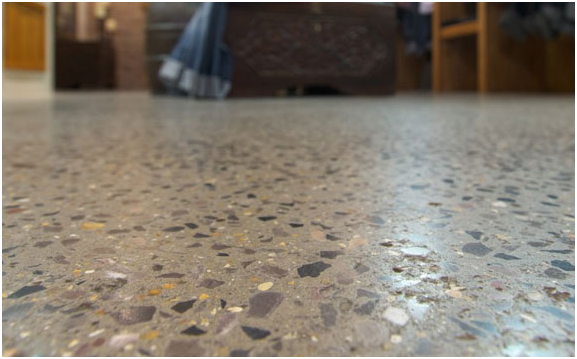
Polished concrete floors tend to be found more industrial and retail settings, but are becoming increasingly popular in residential situations.  When you consider their practical nature, you can start to see why.  Alternatives such as floor tiles are often very expensive.  I have struggled to find information on potential suppliers based here in the UK – let alone try to find someone who is relatively local!

Polished concrete floor

Polished concrete floor

HTC Superfloor – www.lazenby.co.uk

Here’s some example floor finishes below.  Unfortunately, from a company in Australia – but it does show the different colours that can be achieved.  If only, I could find someone in the UK that can deliver a similar range of finishes.

boral stone au

Dry stone walling – Day 16

Well, I started on this section of wall on 11th November and have spent 10 working days on it to get to this point.  Christmas, bad weather and the flu all contributed to slowing things up. You can start to understand how labour intensive dry stone walling is – particularly compared to putting up a barbed wire fence.

Dry stone walling – Day 16
Both sides to the wall are faced in the same way – the only difference is that the other side of the wall is around 5 courses higher due to the difference in the field levels.
There are a number of imperfections in the wall.  Let’s face it, the whole process of building the wall is one of managing imperfection.  Having said that the coping stones on the far left of the wall need to come off and the last course on top of the wall needs to be levelled up before they are re-sited.  I think this is more obvious if you zoom in on the above image (by clicking on it) and taking a look at the far left end of the wall – it seems to starting reducing in height.  I have actually fixed this issue now and you will see this in later photographs of this part of the wall.

Dry stone walling – Day 15

It has been wet today.  Really wet.  However, by the end of the day there is only a couple of courses to go and the coping stones can go on this part of the wall.  Once you pass the midpoint on the wall (and install the throughstones), the whole process seems to speed up – not surprising considering the top of the wall is only half the width of the base of the wall.

While it has been relatively warm today, it has been really windy and wet.  This has made working outside hard work.  The main issue is that the ground surrounding the base of the wall becomes very muddy and slippery – you would not want to slip carrying a heavy stone.  I made a “duck board” using some spare wooden decking.  This works a treat, although it could do with being a bit longer.

I reckon one more day and we will be ready to put the coping stones on the top of the wall.

Day 15 and a “duck board” to combat the mud!
 

Dry stone walling – Day 14

Yup, back to dry stone walling after an enforced break for a dose of man flu and Christmas!

It is back to laying foundation stones and the first few courses.  This is a slow process as the base of the wall is at it’s widest at the bottom.  The fact that the field levels are slightly different also doesn’t help.  The weather was relatively warm, but the downside was that it rained later in the afternoon.

Day 14
Day 14

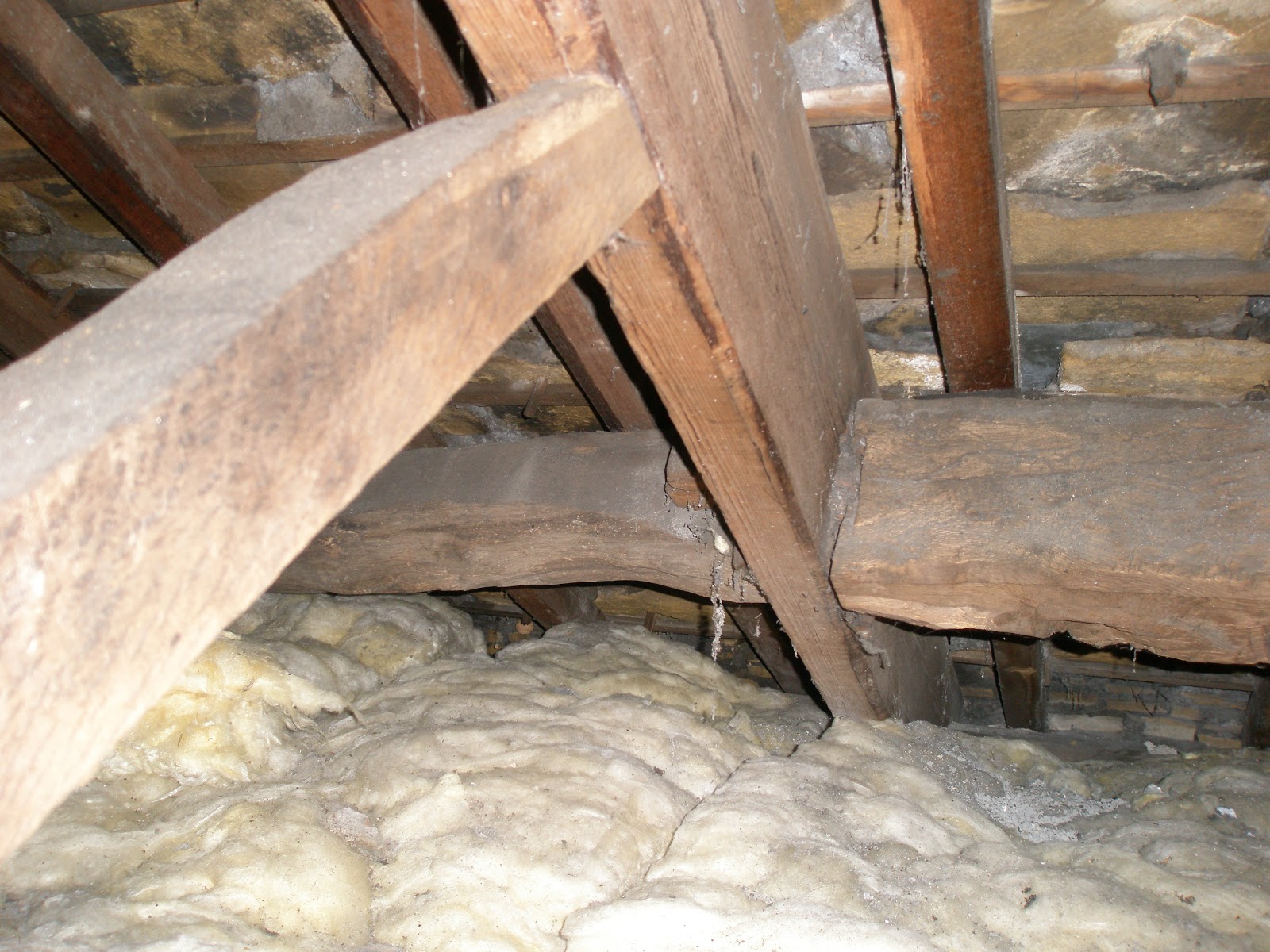
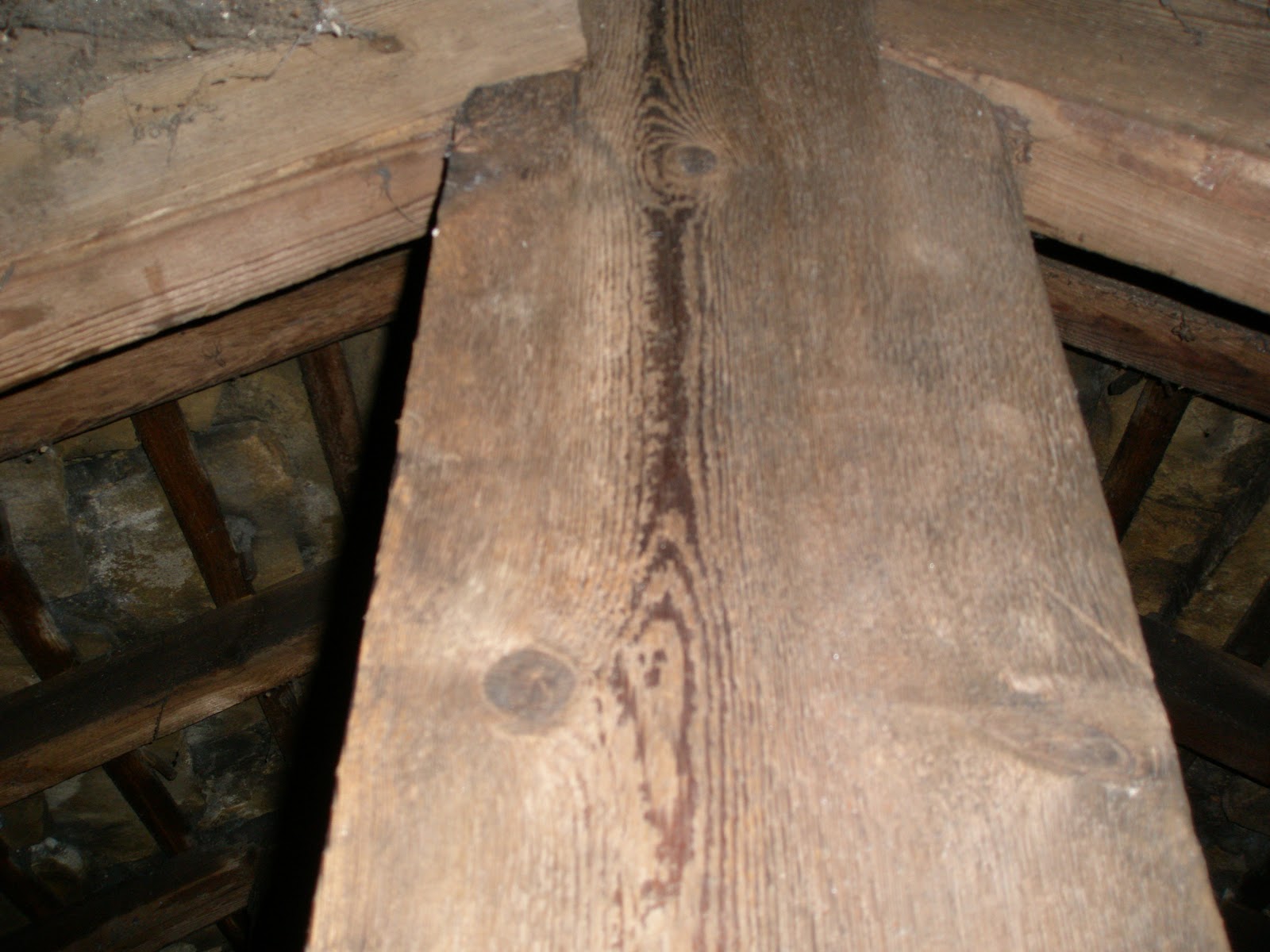
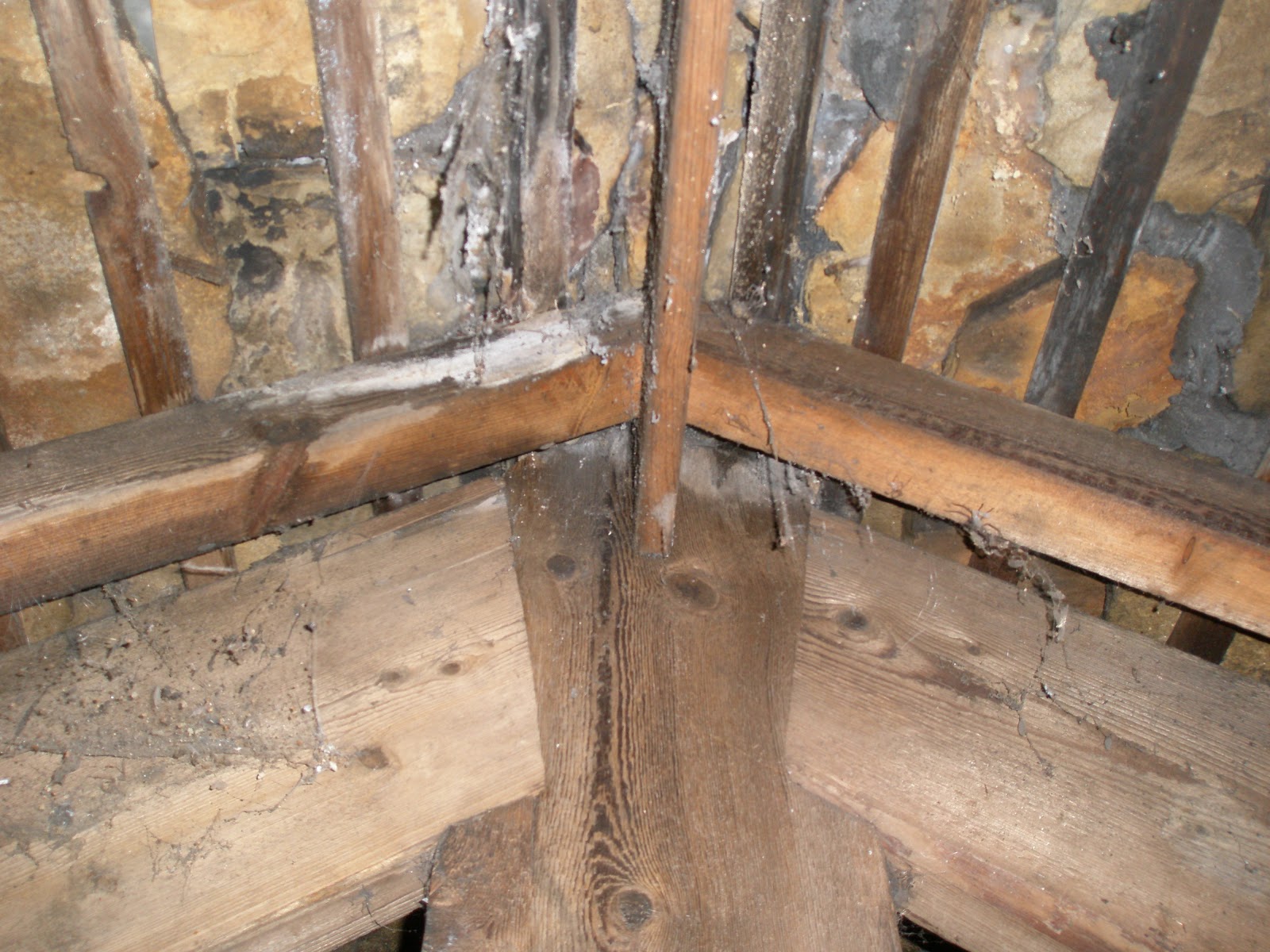
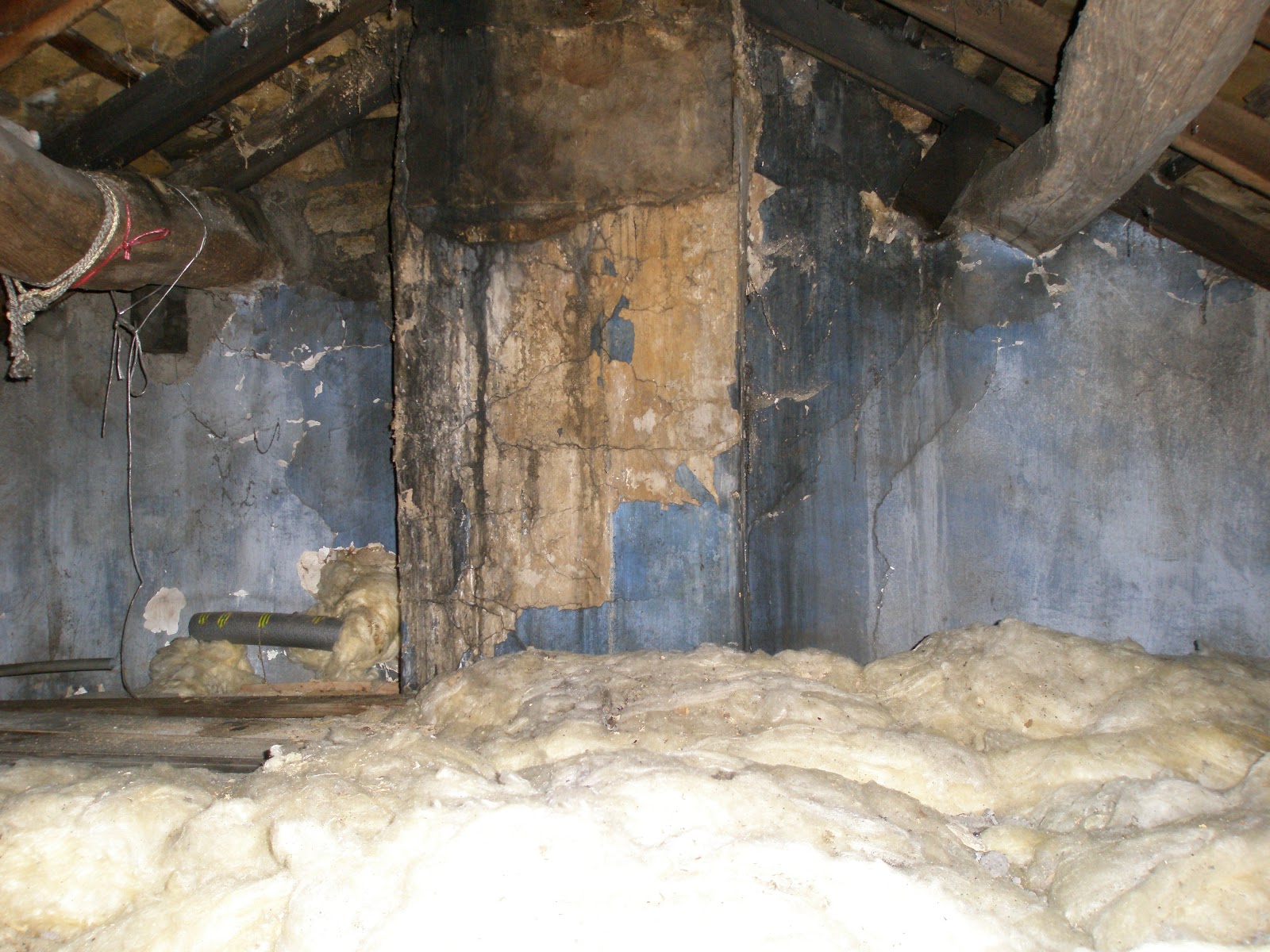
Roof space

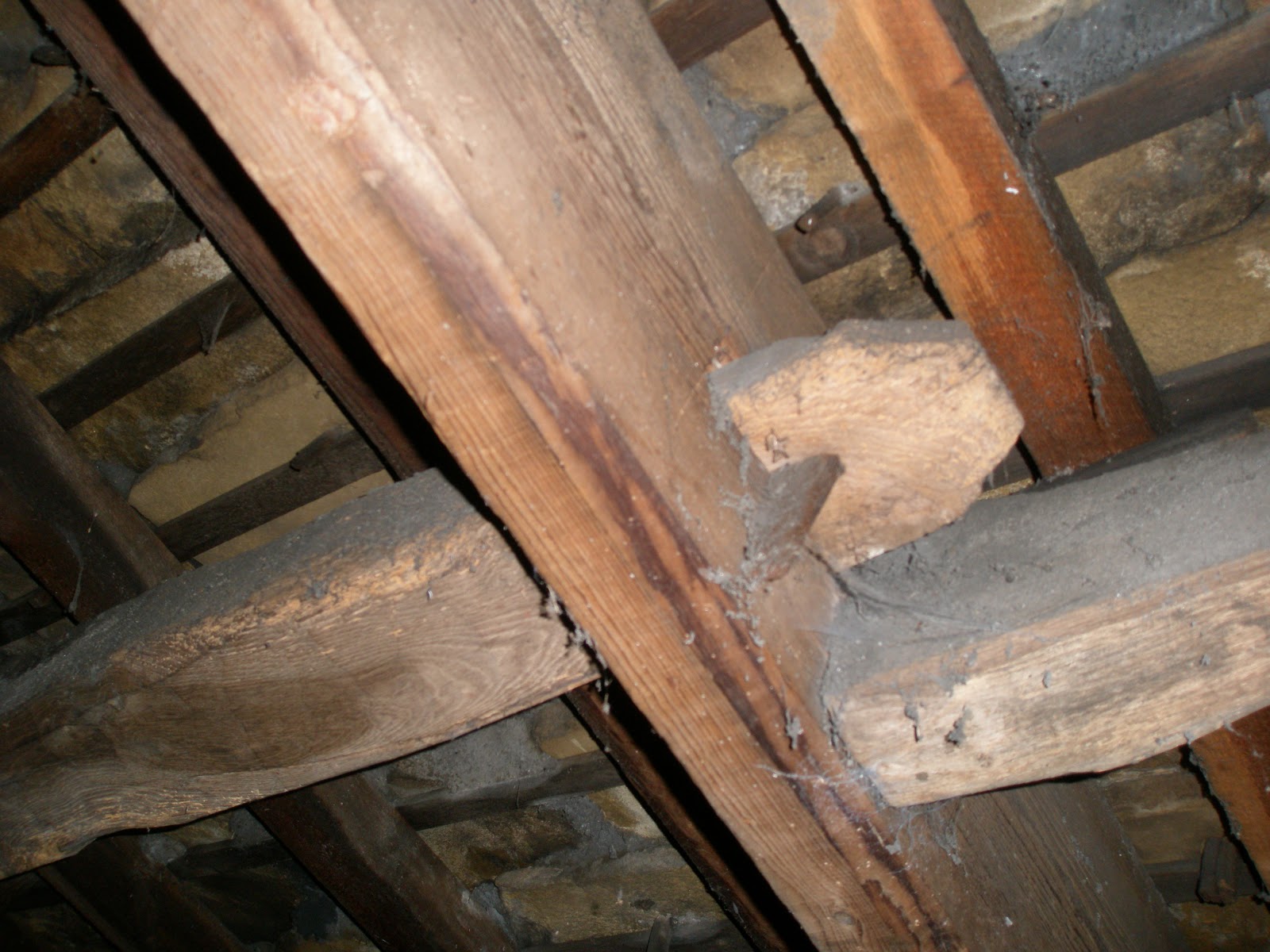
The roof space is effectively three roof spaces – one for each of the cottages.  Two end walls with a wooden “A” frame in between the two.  The “A” frames look in reasonable condition.  I have had a look in the roof space in one of the other cottages and the construction is the same.

The roof is constructed using traditional stone slates (called Yorkshire Greys).  These have a single hole in the top and a wooden peg that us used to hook them over wooden battens.

I have no idea what this tells us about the date of the construction.  The one thing that strikes me as odd is that the end walls seem to have been painted.  Not quite sure why anyone would want to want inside the roof space.

Old beam – Secrets revealed

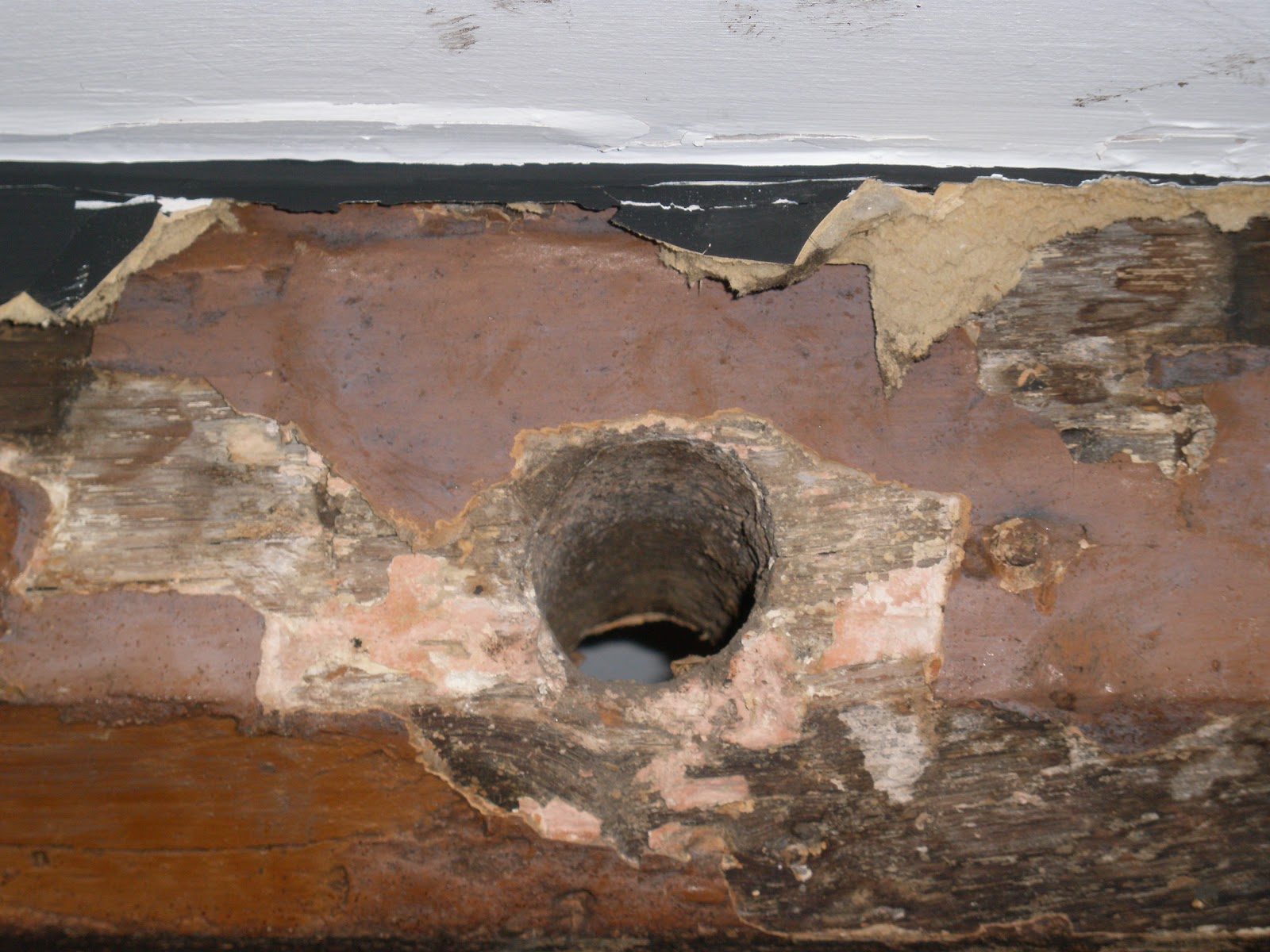
There are old beams throughout the properties, but all (yes, all) are boxed in.  As such, we couldn’t tell what the beams look like or even the condition of them – it would not be unusual for these beams to suffer from woodworm or even worse.

So we decided to take some of the cladding off in one of the cottages.  The beams aren’t particularly unusual – rough sawn on one side and curved on the other.  Presumably the curved shape is the natural shape of the tree.

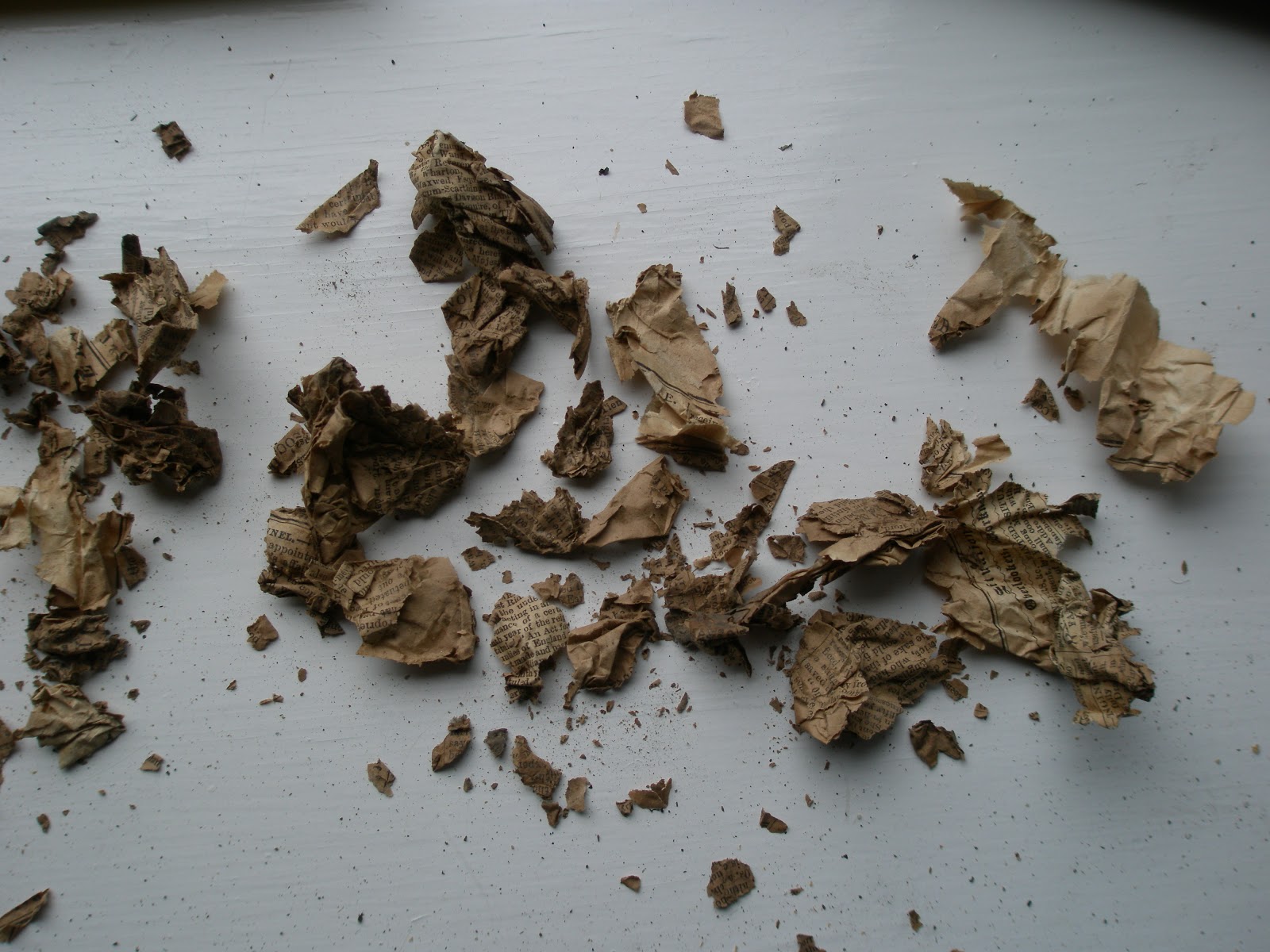
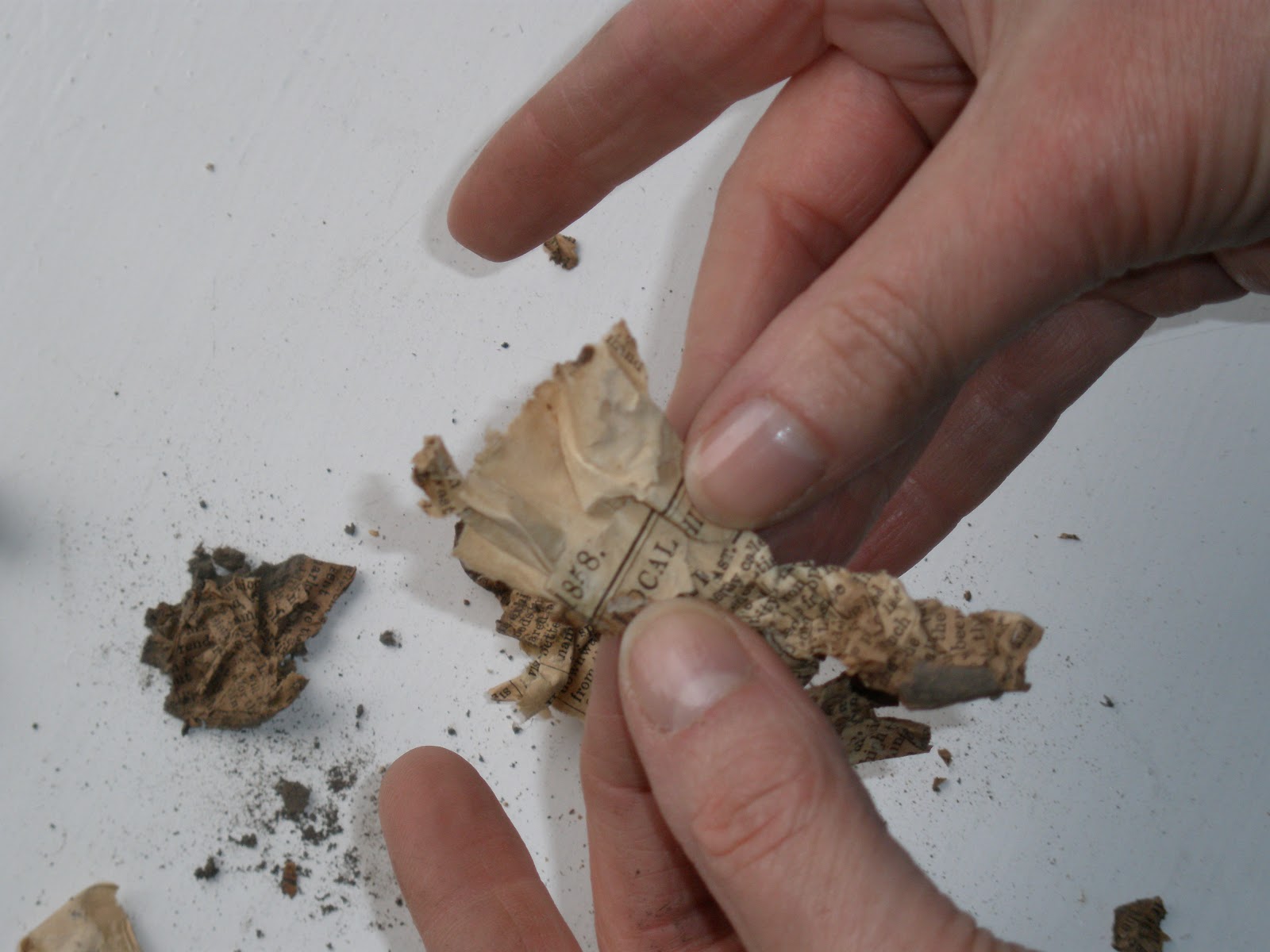
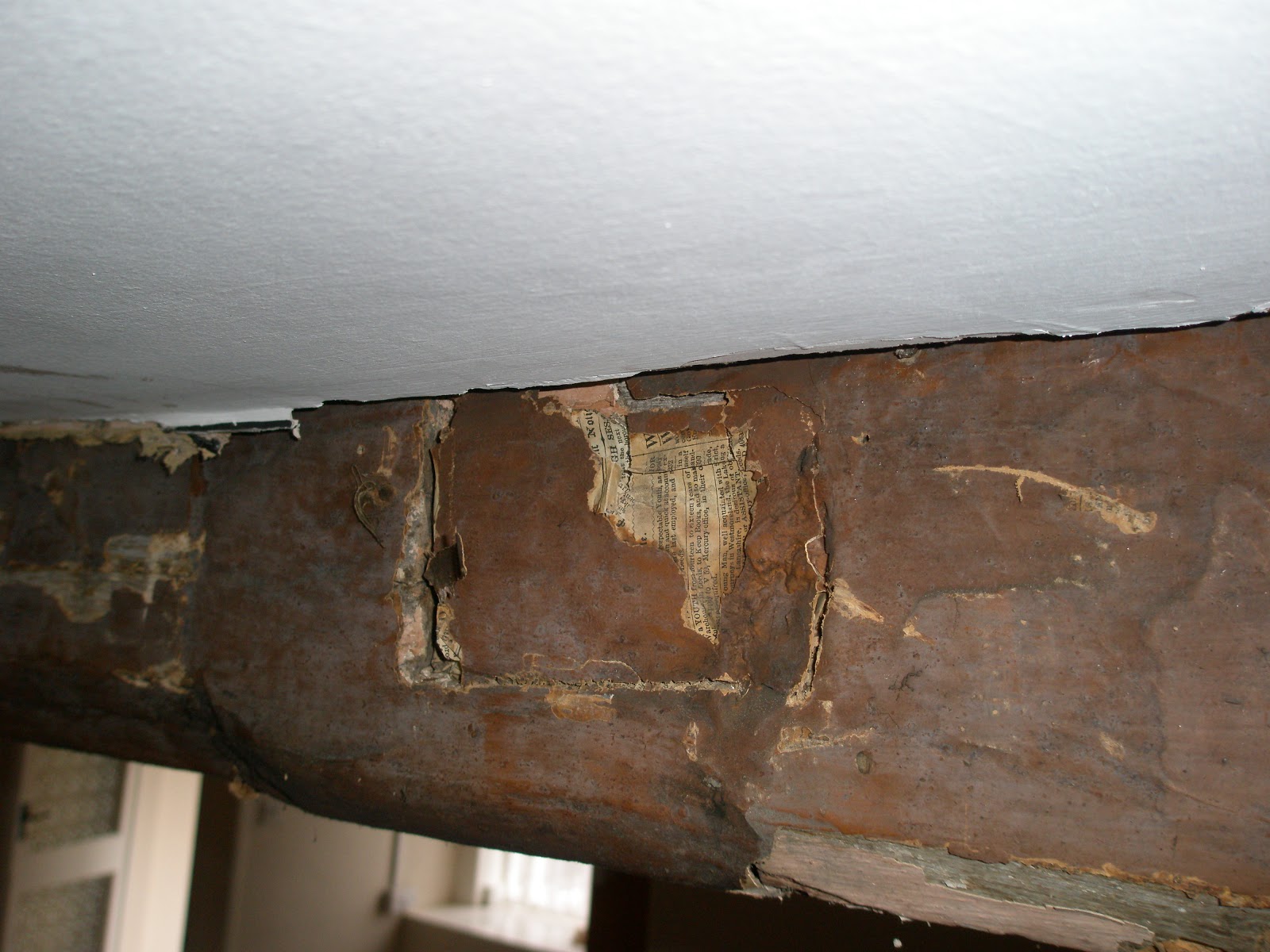
The beam had been coated in multiple coats of paint, probably distemper (a paint usually based on lime or chalk). Much of it was flaking and loose.  A slight circular depression in the beam was a hole that had been drilled through the beam – probably 12mm across – that had been stuffed with newspaper and painted over. We pulled the newspaper out and gently attempted to unravel it.  Unfortunately, it was very fragile and most of it disintegrated.  However, we were lucky and we manage to salvage a very small piece with a date – 1858!

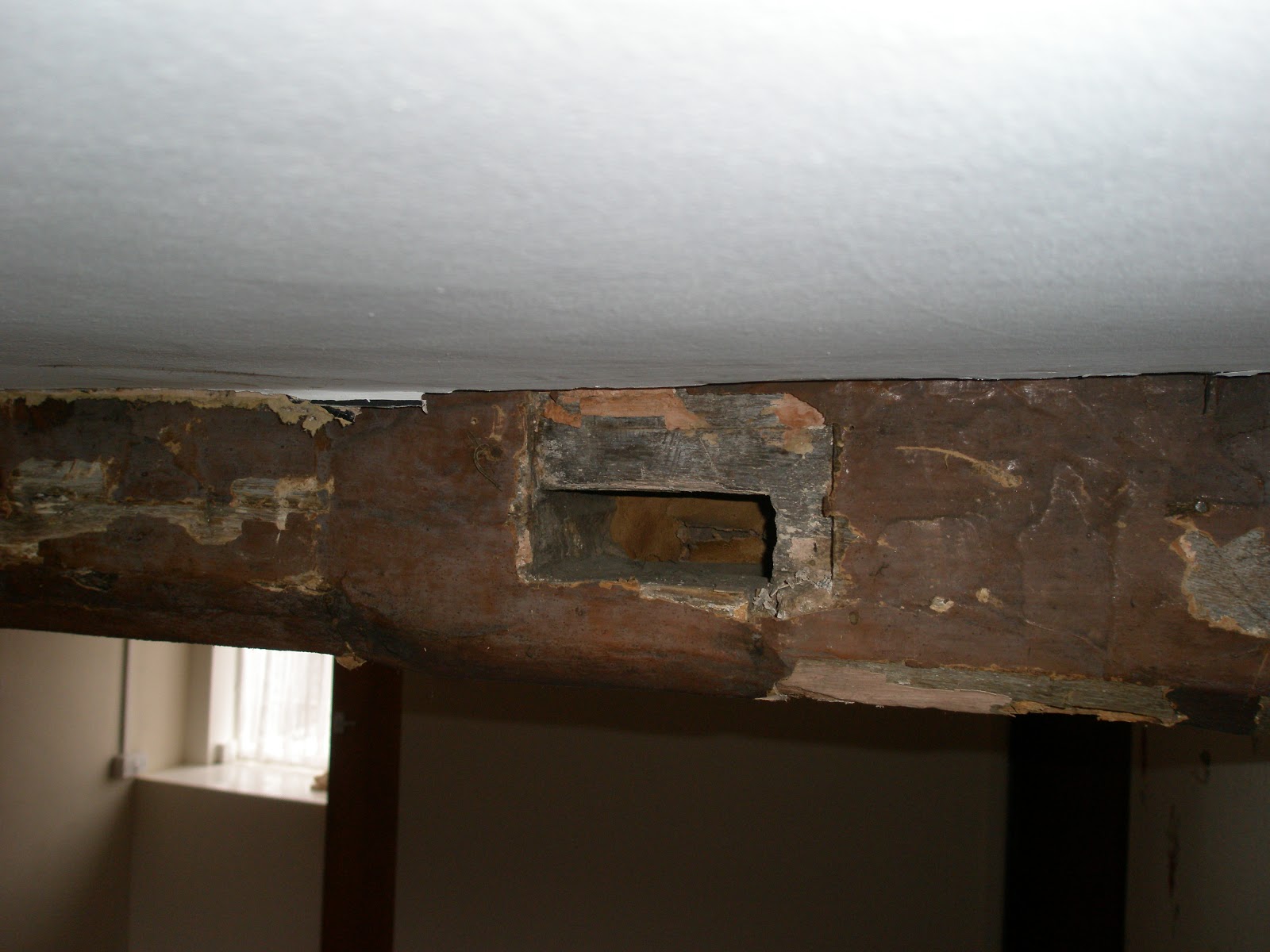
Further investigation, revealed a much larger rectangular depression similar to the round one we found above.  This one was a slot that had been cut right through the beam.  Both sides were stuffed with newspaper and painted over.  However, in the middle of slot behind the stuffed newspaper was half a broadsheet from the Leeds Murcury – also dated 1859!


From the census records of 1851 and 1861, we know that David Hobson was living in this property with his family, so we had hazard a guess at who bought the newspaper originally.

Dry stone walling – Day 13

It has been very wet recently and that area around where I have been working is very muddy and slippery.  I have decided not to do any dry stone walling here while it is so wet – a slip in the mud carrying a large stone could very easily spell disaster. 

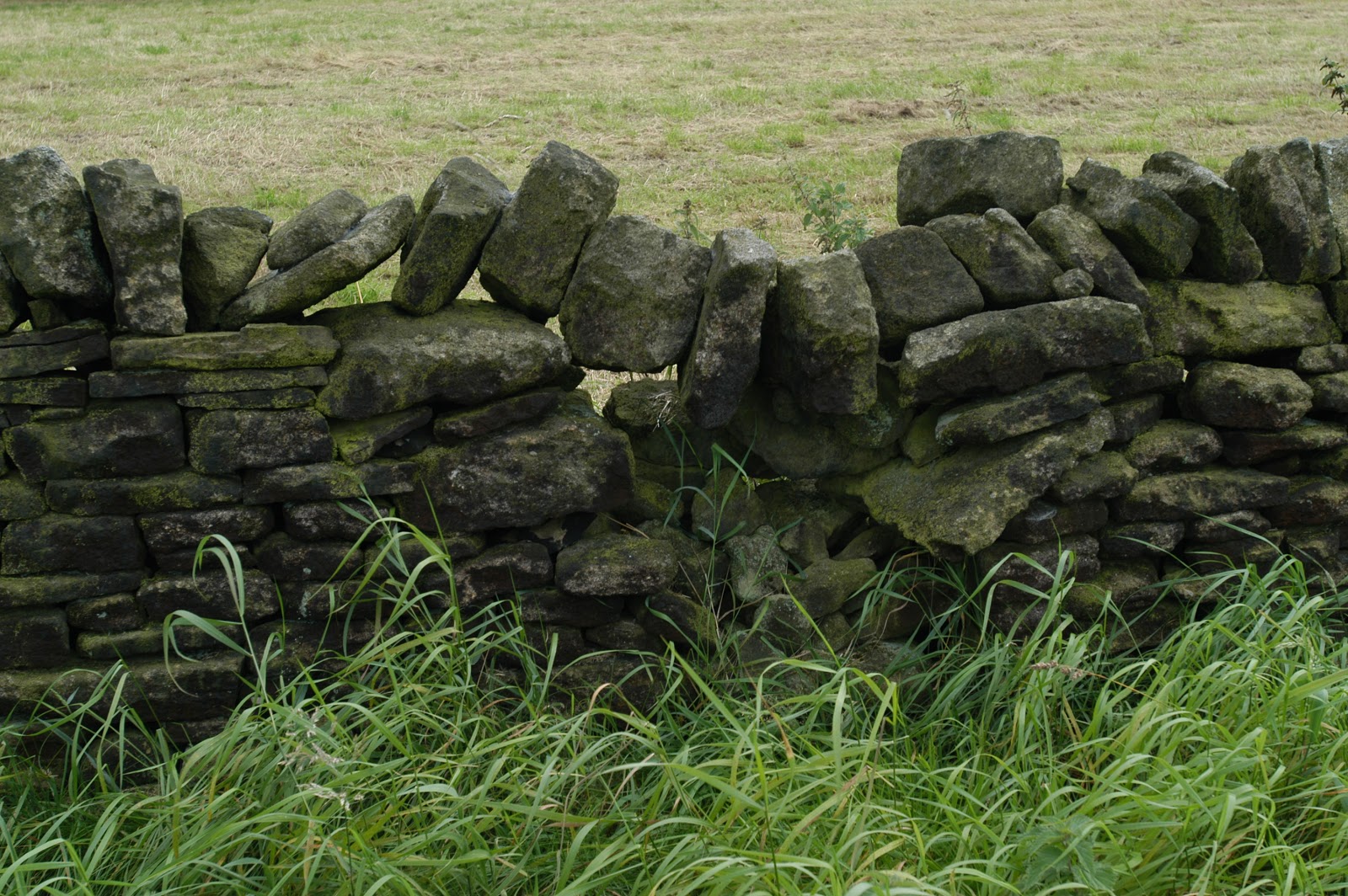
With such much wall to repair around the property,  I thought I would turn my attention to a spot that needed to be repaired.  In the top field, there is a piece of wall where the coping stones are only just clinging on.  I haven’t attempted just to repair a section of wall before, so I didn’t really know what to expect.  The key factor seems to limit the amount of wall that needs to be repaired! As soon as I removed a couple of the coping stones, a whole section of wall collapsed.  You need to have your wits about you and do wear a pair of steel toe cap boots.

The section of wall needing repair.  This photo was taken last summer.

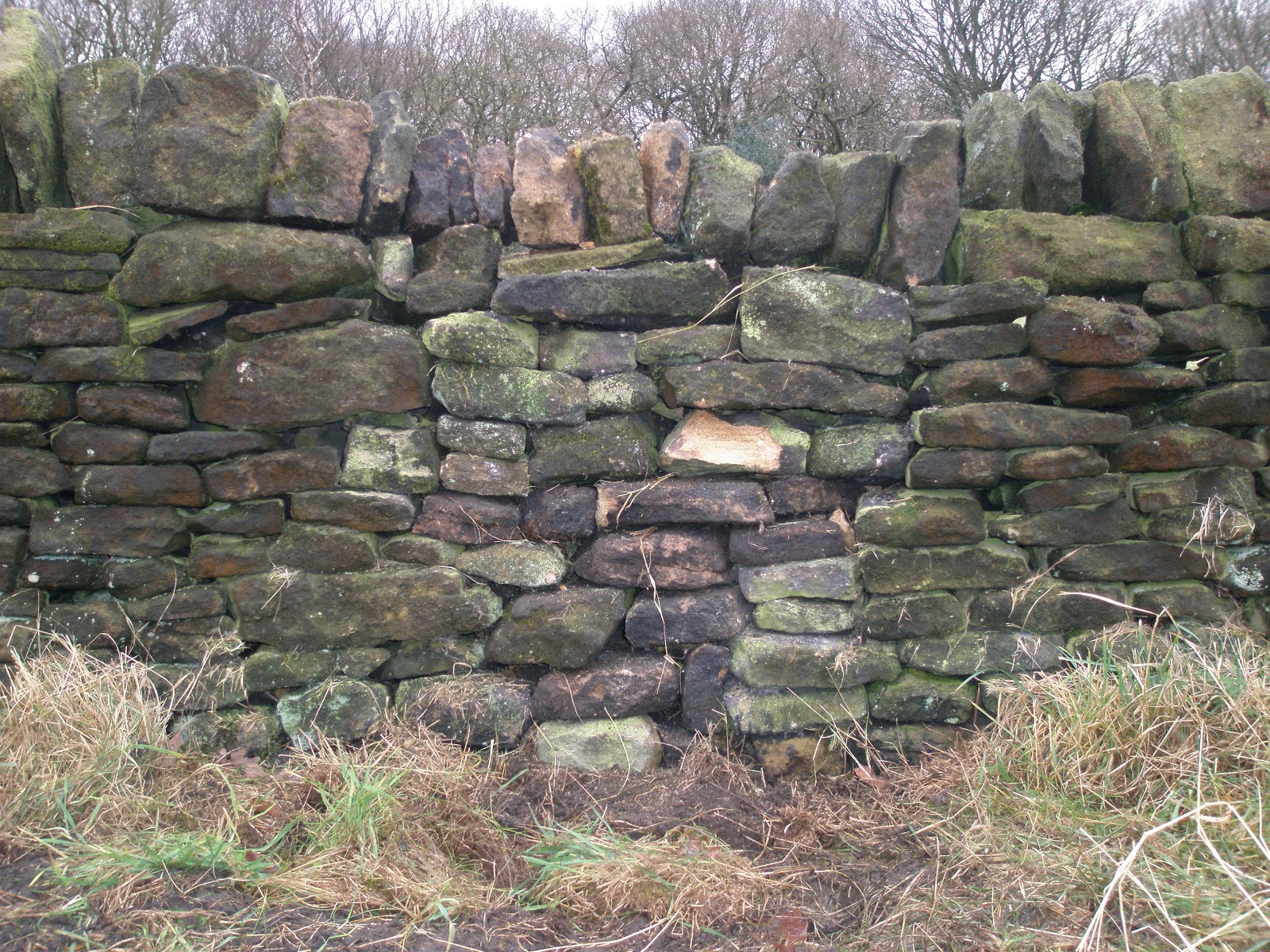
I put the coping stones to one side.  Separated out the building stones and put the hearting (there was a lot of it) in a wheel barrow.  All in all, it only took an hour to rebuild.  The most difficult thing was finding enough coping stones to cover the top of the wall.  I found some of them buried in the grass (this wall must have started falling about some time ago) and a few others elsewhere.

The repaired wall – a few more running joints that I really wanted, but I didn’t want to have to rebuild a huge section
« Older posts Newer posts »

© 2025 Hagg Leys Farm

Theme by Anders NorenUp ↑